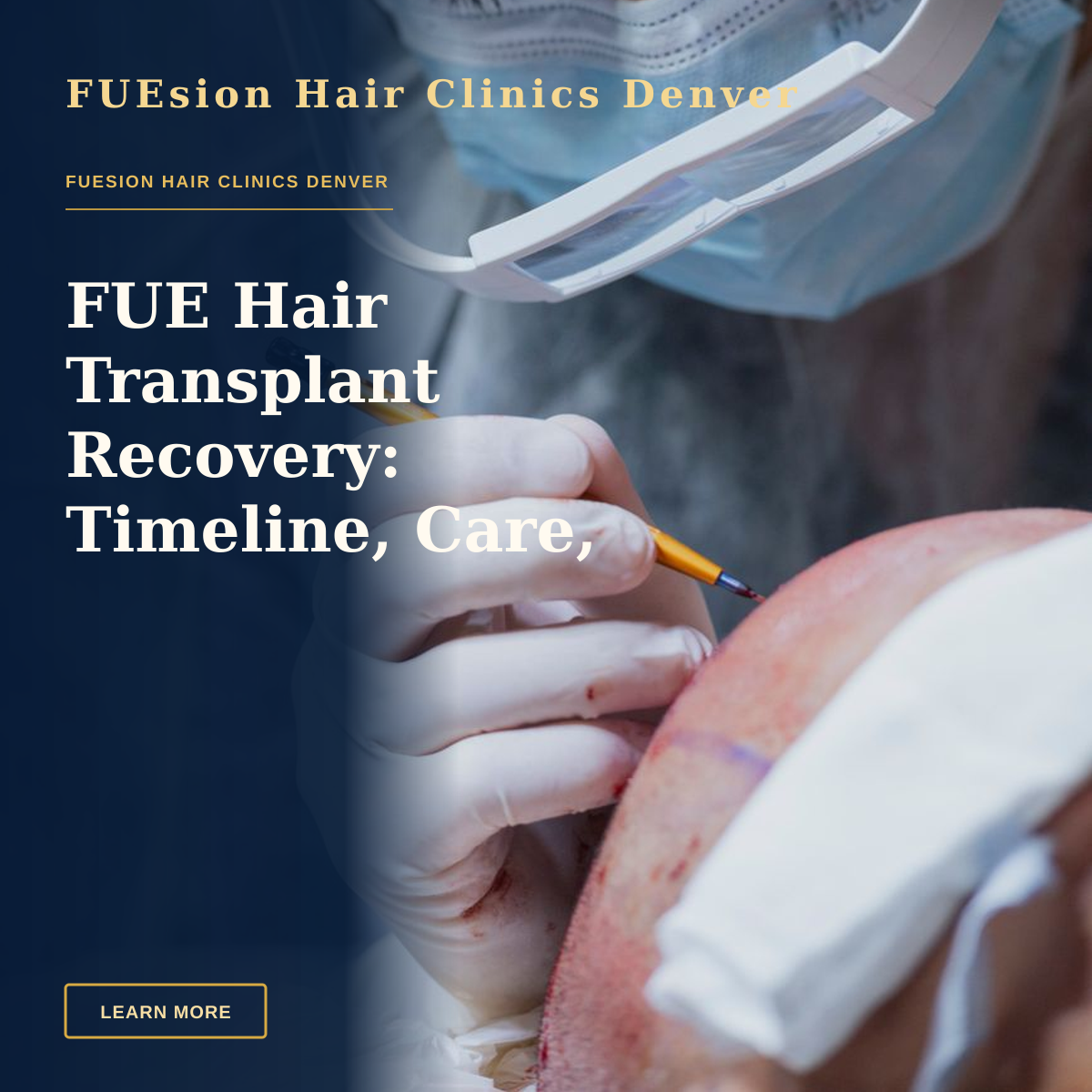
FUE hair transplant recovery can feel uncertain the first time you encounter it: when will swelling go down, how long until you return to work, and what care matters most for graft survival? This guide answers those questions clearly, with practical timelines, clinic‑grade aftercare steps, and red flags to watch for during the critical first year.
Where brand-relevant details are helpful, this article references clinic practices and technologies that directly affect recovery — for example, how AI & AR Assisted FUE extraction, microscopic donor assessment and a proprietary graft holding solution can reduce trauma and support graft survival. If you prefer to visualize outcomes or get a tailored plan, tools such as the AI Hair Simulator and Graft Calculator provide instant previews and graft estimates before you book a consultation.
Patient Journey & Consultation
Recovery planning begins well before procedure day. At initial contact you can request a free virtual consultation or an in‑person visit; consultation requests are acknowledged promptly and confirmed in writing. The consultation is where your surgeon documents goals, reviews medical history and confirms the plan — including expected downtime and the tailored aftercare steps that influence recovery. According to Surgical Flow and Set-up for FUE Transplant Cases (scholarly source), this source provides relevant background for the discussion.
Digital pre‑work speeds decision making and sets realistic expectations. Most patients are encouraged to run the Graft Calculator and use the AI Hair Simulator before the visit. These tools generate a photo‑based graft estimate and a visual preview so the surgeon’s graft plan matches your aesthetic goals — this alignment reduces the need for early corrective procedures that could prolong recovery.
Typical scheduling and communication protocols are designed to keep you informed: appointment confirmations within 24 hours for consults, clear pre‑op instructions, and a documented post‑op plan that includes follow‑up appointments. The formal 12‑month review is an important milestone when growth benchmarks are measured and any corrective options are discussed.
- Free Virtual Consultation with hair loss assessment and plan discussion.
- Pre‑work: run the Graft Calculator and AI Hair Simulator for accurate expectations.
- Surgeon consultation documents the plan, downtime, and FUEsion Assurance terms.
- Follow‑ups scheduled at 1 week, 1 month, 6 months and a formal 12‑month review.
Good preoperative communication reduces stress on procedure day and helps streamline early recovery. If you’re ready to book or want to discuss recovery specifics with a surgeon, book your free consultation.
Ready to take the next step?
Speak directly with Dr. Sanders. No obligation. Completely free.
Find out if you're a candidate for FUE Hair Transplants or non-surgical hair regrowth options.
Book Your Free ConsultationSimulator
Seeing expected results and an itemized graft estimate before surgery helps you plan recovery realistically. The AI Hair Simulator analyzes a clear frontal photo to simulate before/after outcomes and returns an immediate cost estimate. That visual and numeric clarity lets you plan time off, arrange help for the first 48–72 hours if needed, and match your lifestyle to the expected recovery timeline.
The simulator workflow is fast and practical: upload a frontal photo, let the AI estimate graft needs, review before/after previews, and save/share results with your surgeon. Because it also generates a personalized cost estimate, you won’t be surprised by recommended graft counts or the scale of the procedure — both of which directly affect recovery length.
- Upload a well-lit frontal photo for the most accurate simulation.
- AI analyzes hair pattern and provides a graft estimate and visual preview.
- Use results to align expectation with the surgical plan and recovery timeline.
- Bring simulator output to your free consultation for a documented plan.
Try the AI Hair Simulator to get a snapshot of expected results and a practical roadmap for recovery planning.
See your potential results before you commit
AI Hair Simulator
Our AI Hair Simulator uses your own photo to show realistic hairline, density and style options — and generates a personalized cost estimate so you walk into your consultation knowing exactly what you want and what it costs.
Get Free Access
Ready to take the next step?
Book a Free ConsultationHow FUE Recovery Differs from Other Procedures
FUE (follicular unit extraction) recovery is generally faster and less invasive than older strip (FUT) techniques because it avoids a linear donor scar and uses micro‑punch extraction. With modern AI & AR Assisted FUE and microscopic donor assessment, many of the trauma‑reducing techniques focus on minimizing transection and optimizing graft handling — both of which help grafts survive and shorten visible recovery.
Key factors that make modern FUE recovery distinct:
- Micro‑punch extraction sites are tiny and heal as pinpoint scars rather than a long linear scar.
- Proprietary graft holding solutions and strict lab handling reduce out‑of‑body time and preserve viability.
- Artistic recipient site creation at natural angles (typically 20–45°) reduces the need for touch‑ups and speeds aesthetic recovery.
These procedural refinements contribute to the clinic's reported high graft survival rates and smoother recoveries compared with older standards.
Services & Procedures
FUE hair transplant recovery depends heavily on the specific procedure performed. Below is a concise, clinic‑level menu of surgical and non‑surgical services with the recovery facts you’ll need when planning time off and aftercare.
We provide a wide range of options from surgical FUE to non‑surgical scalp therapies. The right choice will consider your hair loss pattern, lifestyle, and how much downtime you can accommodate. For bookings and procedural pages, visit our main site for more details and to schedule.
- Hair Transplant (AI & AR Assisted FUE / FUEsion Hair Transplant) — Duration: 4–7 hours (4–10 hours for larger cases). Anesthesia: local. Downtime: return to work 5–7 days. Results visible from 6 months; full at 12–18 months. Reported graft survival: >95%.
- Beard Transplant — 300–2,500 grafts typical. Duration 3–8 hours; ~5 days downtime; permanent growth.
- Eyebrow Transplant — 50–400 grafts per eyebrow; duration 2–4 hours; precise angulation for natural lay.
Additional services include female hair transplant protocols (no strip removal), InFuze Non‑Surgical / InFuze™ Restoration (ScalpPulse Technology with zero downtime), FUT when clinically indicated, PRP adjuncts, scalp micropigmentation, scar repair, hairline lowering, and complimentary virtual or in‑person consultations.
Recovery guidance differs between surgical and non‑surgical options. InFuze sessions using InFuze™ ScalpPulse Technology are non‑surgical and require no downtime, whereas surgical FUE typically requires protective care for the first week and staged follow‑ups for growth monitoring. For a full menu, visit our main services page at Hair Regrowth or schedule a consultation.
Key practical benefits and steps for faster recovery:
- Follow the surgeon’s immediate post‑op instructions for washing and activity restrictions.
- Avoid strenuous exercise and heavy lifting for at least 7–14 days as advised.
- Use prescribed topical/oral agents and attend scheduled follow‑ups to confirm graft take.
For bookings, procedural details and to compare options, view the full Services page or book a free consultation.
See your potential results before you commit
AI Hair Simulator
Our AI Hair Simulator uses your own photo to show realistic hairline, density and style options — and generates a personalized cost estimate so you walk into your consultation knowing exactly what you want and what it costs.
Get Free AccessWant personalized advice?
Schedule Your AssessmentTrust & Guarantee (FUEsion Assurance)
Recovery confidence matters. The FUEsion Assurance program is an industry‑first guarantee designed to protect growth outcomes, artistry, aftercare and overall satisfaction. This assurance is documented during consultation and becomes part of your post‑op care plan.
At the heart of recovery support is the Growth Assurance: graft survival and measurable growth are assessed at the formal 12‑month review. If agreed benchmarks aren’t met, supplemental grafts will be provided at no cost when clinically indicated. This policy reduces anxiety about long‑term outcomes and ensures predictable corrective steps if needed.
- Growth Assurance — Benchmarks measured at 12 months; supplemental grafts provided at no cost when indicated.
- Artistry Assurance — Planned hairline and density are documented; corrective work performed if outcomes deviate significantly.
- Aftercare Assurance — Post‑operative follow‑ups and surgeon access included during recovery and monitoring.
- Satisfaction Assurance — We commit to resolving concerns until published objectives are met.
The Assurance also clarifies activation and timelines: the formal review at 12 months is the checkpoint for growth remedies. For full terms and to discuss how the Assurance affects your recovery plan, schedule a free consultation and ask to review the Assurance details.
Ready to take the next step?
Speak directly with Dr. Sanders. No obligation. Completely free.
Find out if you're a candidate for FUE Hair Transplants or non-surgical hair regrowth options.
Book Your Free Consultation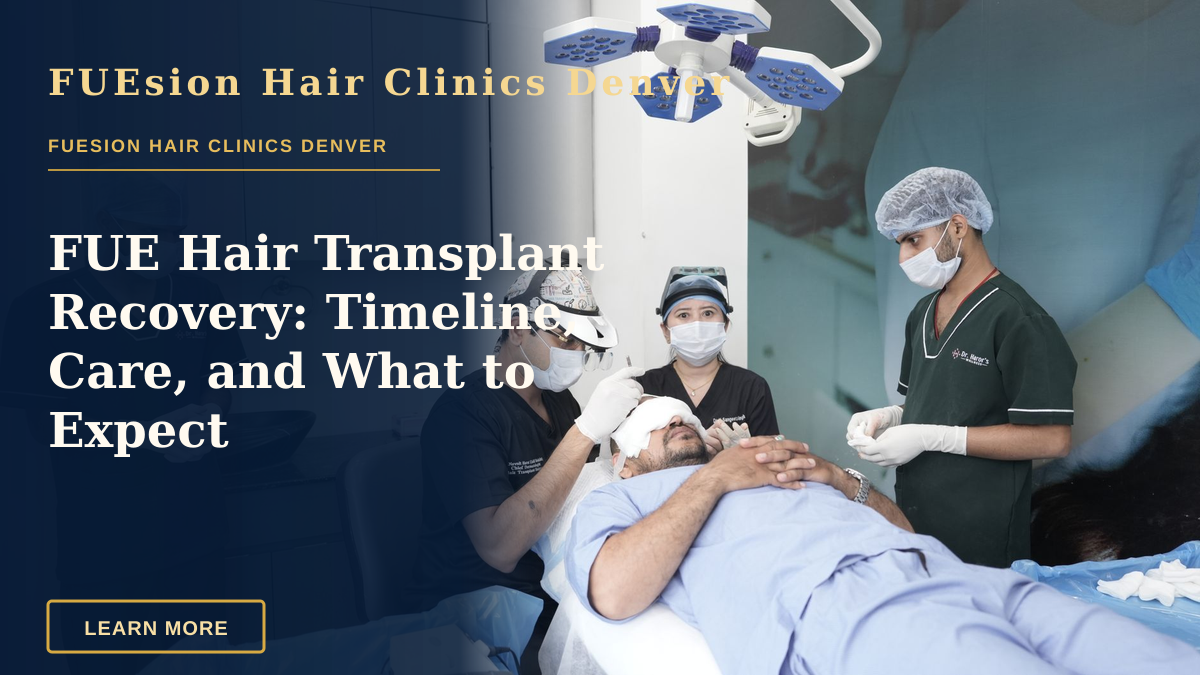
Typical FUE Hair Transplant Recovery Timeline
Knowing the usual milestones helps you plan work, social events and follow‑ups. Timelines vary by graft count and individual healing, but a standard progression is:
- Day 0–3: Local anesthesia wears off; expect mild pain, tightness and small scabs in recipient and donor areas. Sleep with head elevated and follow cleaning protocol.
- Days 4–7: Many patients return to work if duties are non‑strenuous. Redness and crusting begin to subside; avoid direct sun and heavy exertion.
- Weeks 2–4: Scabs fall off; transplanted hairs may shed (shock loss) — this is normal and part of the cycle, not graft failure.
- Months 3–6: New hair starts to emerge; gradual density increases and thinning patches fill in.
- Months 6–12: Most visible improvement occurs; by 12 months you’ll see a near‑final result; final maturation may continue to 18 months.
Key recovery details to note: the most fragile window for graft survival is the first 48–72 hours; following the clinic’s wash protocol and avoiding disturbance of grafts is critical. If you experience excessive bleeding, fever or severe pain, contact your clinic immediately.
See how we can help you
Get Started TodayPractical Aftercare Tips to Maximize Graft Survival
Aftercare choices materially affect outcomes. Follow these evidence‑backed steps commonly recommended by surgeon‑led teams:
- Adhere strictly to the prescribed cleaning routine for the first 7–14 days to reduce crusting and infection risk.
- Avoid NSAIDs like ibuprofen if your surgeon advised against them pre/post‑op; follow medication guidance to control swelling without compromising healing.
- Sleep with your head elevated for the first 3 nights to limit swelling and reduce strain on grafts.
- Wear loose, front‑button shirts to avoid pulling grafts when dressing.
- Delay strenuous exercise for at least 7–14 days; follow surgeon guidance for progressive activity resumption.
Adjunct treatments such as PRP or non‑surgical InFuze sessions may be recommended to support early follicular activation and thicker long‑term results. Discuss timing of adjuncts in your consultation so they integrate with the recovery schedule rather than interrupt it.
When to Contact Your Clinic — Warning Signs
Most recoveries are smooth, but contact your surgeon promptly if you notice any of the following:
- Increasing pain not controlled by prescribed medication.
- High fever or signs of systemic infection.
- Persistent, heavy bleeding beyond the immediate post‑op window.
- Sudden widespread redness or pus at donor/recipient areas.
If concerns arise, clinics generally provide urgent access to medical staff and surgeon follow‑up under aftercare assurances. For reassurance and to review expected versus atypical symptoms, use your scheduled follow‑ups or contact the clinic directly through the Consultation or Contact pages.
Comparing Recovery: Surgical FUE vs InFuze Non‑Surgical Options
Surgical FUE and non‑surgical InFuze therapies are complementary choices with different recovery profiles. FUE requires a short protected period and staged follow‑ups; InFuze Non‑Surgical / InFuze™ Restoration with ScalpPulse Technology is designed to deliver measurable regrowth with no downtime and can serve as a standalone treatment or adjunct that prepares the scalp for surgery.
Your surgeon will recommend an approach that balances downtime, expected benefit and long‑term goals. If minimal interruption to work is essential, discuss non‑surgical options or a staged surgical plan that spaces procedures to reduce acute recovery impact.
Conclusion
FUE hair transplant recovery is predictable when you understand the timeline, follow a surgeon‑approved aftercare plan, and use modern tools that reduce procedural trauma. Early care — especially during the first 48–72 hours — is the most important determinant of graft survival. Expect mild discomfort and visible crusting for the first week, shedding in weeks 2–4, and steady regrowth from 3–6 months with near‑final results by 12–18 months.
If you want to visualize results, estimate graft counts, and receive a recovery plan matched to your lifestyle, start with the AI Hair Simulator and the Graft Calculator, then book a free consultation. If you proceed, the FUEsion Assurance program provides documented support through the formal 12‑month review to protect growth and satisfaction.
FAQ
How long before I can wash my hair after an FUE transplant?
Most surgeons provide a specific wash protocol; typically gentle washing begins 48–72 hours after surgery using a prescribed technique to avoid dislodging grafts. Follow your clinic’s written instructions and attend the first follow‑up to confirm healing before changing routines.
When can I exercise after an FUE procedure?
Light activity is usually okay after 4–7 days, but avoid strenuous cardiovascular or weightlifting exercise for 7–14 days. Your surgeon will advise a timeline based on graft count and the specifics of your case.
Will I have scars after FUE?
FUE creates many tiny circular scars in the donor area that are typically imperceptible with short hair — there is no linear strip scar. Discuss donor harvesting patterns with your surgeon during the consultation.
What if I’m unhappy with growth at 12 months?
The FUEsion Assurance documents remedies: if growth is below agreed benchmarks at the 12‑month review, supplemental grafts can be provided at no cost when indicated. Discuss thresholds and activation in your consultation.
For personalized recovery guidance or to review how these timelines apply to your plan, try the AI Hair Simulator and book a free consultation with our team.
Medical Information Disclaimer
This content is provided for general educational purposes only. It is not a substitute for professional advice, diagnosis, or treatment. Readers are advised to consult qualified professionals for personalized recommendations.
Have questions? We have answers.
Speak With an Expert